
Got Milk??? Animal Milk: One Of The Most Deadliest And Dangerous Beverages To Ever Consume!!!


DRINKER BEWARE!!!! DRINK ANIMAL MILK AT YOUR OWN RISK!!!!
Animal 'Milk' Should NEVER Be Consumed By Humans! You Are ONLY Drinking PUS AND BLOOD! This Means: 'Milk' Is Literally Made Up Of Only PUS And BLOOD (My Apologies For Being Graphic)!😖
Here Is A Very IMPORTANT Video For You To Check Out Regarding The Food And Health Industry In America, And The Dangers Of Consuming 'Milk,' 'Eggs,' And Additional Foods Supposedly A Part Of The Standard American Diet (SAD):

The Myth of Milk as a Healthy Beverage
Exploring the Perception of Milk as a Nutritious Choice
In today's society, milk has long been touted as a staple of a healthy diet, praised for its calcium content and role in promoting strong bones. However, a closer examination reveals a controversial truth - the perception of milk as a wholesome beverage may be more myth than reality. This article delves into the complexities of dairy consumption, shedding light on the potential health implications that are often overlooked. By exploring the relationship between dairy products and the formation of mucus, as well as the presence of pus in commercial milk, we aim to challenge conventional beliefs and empower readers to make informed choices for their well-being.
1. Introduction: The Myth of Milk as a Healthy Beverage
Exploring the Perception of Milk as a Nutritious Choice
Ah, milk – the drink that's been touted for years as the epitome of health and nutrition. But what if we told you that there's more to this story than meets the eye? Let's unravel the myth of milk being a healthy beverage and delve into the reality behind its reputation.
2. Understanding Dairy and its Effects on the Body
Overview of Dairy Products and Their Composition
Impact of Dairy Consumption on Digestive Health
Dairy products have long been a staple in many diets, but what exactly do they do once they enter our bodies? Let's take a closer look at the composition of dairy products and explore how their consumption can impact our digestive health. Brace yourselves, lactose lovers!
3. The Link Between Dairy Consumption and Mucus Production
Research on the Relationship Between Dairy Intake and Mucus Formation
Common Symptoms of Mucus Build-Up Linked to Dairy
Have you ever felt like your body was turning into a mucus-producing factory after drinking milk? Turns out, there might be a scientific explanation for that. We'll uncover the research that connects dairy intake to mucus formation and explore the tell-tale signs of mucus overload from dairy consumption.

Pictured Above: A 'Cow' - A Hybrid, Man-Made, (Cross-Bred) Animal Used To Produce The World's 'Milk'! This Is Supposedly Gets Most Of Their 'Milk' Source From!😳😖
4. Examining the Presence of Pus in Commercial Milk
Understanding the Regulatory Standards for Milk Quality
Evidence of Pus Cells in Commercial Milk Products
Hold on to your cereal bowls – we're about to dive into the somewhat unsettling world of pus cells in commercial milk. We'll break down the regulatory standards for milk quality and investigate the not-so-appetizing evidence of pus lurking in your favorite carton of milk. Time to rethink that milk mustache, folks!
5. Health Risks Associated with Consuming Dairy Products
Potential Health Issues Linked to Dairy Consumption
You might think dairy is all fun and cheese games, but it can come with some not-so-gouda health risks. From digestive issues to skin problems, dairy consumption has been linked to various health concerns that might leave you feeling less than gouda.
Impact of Dairy Products on Inflammation and Immune Response
Feeling a little clogged up after that milkshake? Dairy products have been known to trigger inflammation and mess with your immune system. So next time you reach for that cheesy slice, consider how it might be stirring up trouble inside your bod.
6. Alternatives to Dairy for a Healthier Lifestyle
Exploring Plant-Based Milk Alternatives
Don't cry over spilled milk, especially when there are so many plant-based alternatives that can be udderly delicious! From Almond to Soy to Oat Milk, there's a whole world of dairy-free options waiting to be poured into your cereal bowl.
Nutritional Benefits of Non-Dairy Sources of Calcium
Who says you can only get your calcium fix from dairy? Leafy greens, nuts, and seeds are just a few non-dairy sources packed with the bone-boosting nutrient. So go ahead, branch out from the traditional cheese platter and explore these other calcium-rich options.
7. Debunking Common Myths About Milk and Dairy
Addressing Misconceptions Surrounding Dairy and Health
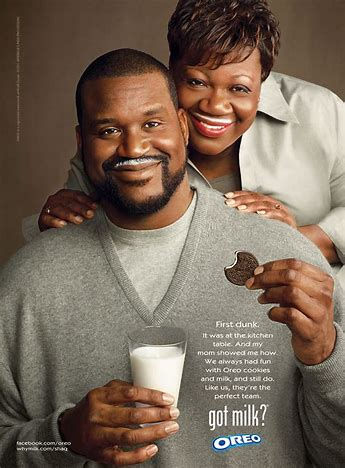
Got milk myths? It's time to separate fact from fiction when it comes to dairy and your health. Let's tackle those age-old beliefs and see what's really curdling the truth about dairy products.
Facts vs. Fiction: Dispelling Myths About Dairy Products
Milk does a body good, or does it? We're diving into the dairy debate to debunk the myths surrounding milk and its dairy cohorts. Get ready for some milkshake-sized truth bombs!
8. Making Informed Choices for Better Health
Summary of Key Points Regarding Dairy Consumption
When it comes to dairy, it's important to milk the facts and make informed decisions about what you put in your body. Remember, not all dairy is created equal, so choose wisely for a healthier you. In all truth, PLAY IT SMART: AND DON'T DRINK ANIMAL MILK AT ALL, AND DON'T FEED IT TO YOUR KIDS!!! It Can Cause CANCER And All ALL DISEASES KNOWN TO MAN!!!
Empowering Readers to Make Healthier Dietary Decisions
Whether you're Team Dairy or Team Non-Dairy, the power is in your hands to make choices that support your health and well-being. So go forth, armed with knowledge, and sip on that Almond Latte with confidence! Some Healthy Alternatives To Animal Milk Include: Coconut Milk, Hemp Milk, Walnut Milk, Almond Milk, And Oat Milk! Try It Out! You And The Kids Will Love It!!!😇
Conclusion: Making Informed Choices for Better Health
Summary of Key Points Regarding Dairy Consumption
As we conclude our exploration into the myths surrounding milk and dairy products, it is evident that the traditional view of these foods as inherently healthy may not hold true for everyone. By acknowledging the potential risks associated with dairy consumption, such as mucus production and the presence of pus in commercial milk, individuals can make conscious decisions about their dietary habits. With a growing array of non-dairy alternatives available, it is easier than ever to embrace a healthier lifestyle without sacrificing taste or Nutrition. By debunking common myths and promoting awareness, we empower readers to take control of their health and well-being, one informed choice at a time!✊🏾😉🙏🏽


Comments